
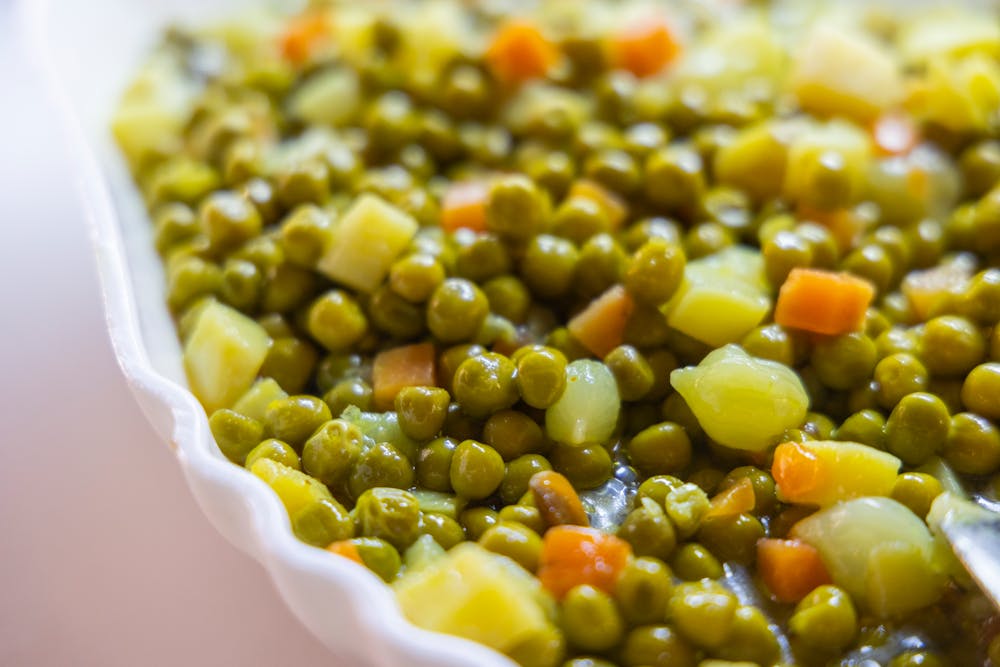
As someone who loves to cook nutritious and delicious meals, I’ve discovered the incredible versatility and health benefits of legumes. Beans and lentils are not only budget-friendly and easy to cook, but they’re also packed with protein, fiber, and essential nutrients. Whether you’re a vegetarian looking for plant-based protein sources, a home cook aiming to reduce your grocery bill, or simply wanting to add more variety and nutrition to your meals, cooking with legumes is a fantastic option. This comprehensive guide will help you navigate the world of beans and lentils, from choosing the right varieties to mastering preparation and cooking techniques, ensuring you can confidently incorporate these powerhouses into your everyday cooking.
The Power of Pulses: Why Legumes Deserve a Spot in Your Kitchen
Legumes, often referred to as pulses, are the edible seeds of plants in the pea family. They are a cornerstone of healthy diets around the world for good reason. Their benefits extend beyond the plate, impacting both your well-being and the planet.
Nutritional Powerhouses
- Rich in Plant-Based Protein: Legumes are an excellent source of protein, making them vital for vegetarians, vegans, and anyone looking to reduce meat consumption. They provide the building blocks for muscles, enzymes, and hormones.
- Abundant in Fiber: Both soluble and insoluble fiber are plentiful in beans and lentils. Fiber is crucial for digestive health, helps regulate blood sugar levels, and contributes to a feeling of fullness, aiding in weight management.
- Packed with Essential Nutrients: Beyond protein and fiber, legumes are a treasure trove of vitamins and minerals. They provide significant amounts of folate (important for cell growth), iron (crucial for oxygen transport), magnesium (for muscle and nerve function), potassium (for blood pressure regulation), and zinc (for immune health).
- Heart-Healthy: Regular consumption of legumes has been linked to lower cholesterol levels and reduced risk of heart disease, thanks to their fiber content and beneficial plant compounds.
- Blood Sugar Management: Their low glycemic index and high fiber content help stabilize blood sugar, making them an excellent food choice for managing and preventing type 2 diabetes.
Budget-Friendly & Sustainable
In addition to their impressive nutritional profile, legumes are incredibly economical. Dried beans and lentils are one of the cheapest sources of protein and nutrients available, allowing you to create satisfying meals without breaking the bank. Furthermore, legumes are environmentally friendly. They require less water than many other protein sources and have the unique ability to fix nitrogen in the soil, reducing the need for synthetic fertilizers and improving soil health.
Culinary Versatility
From hearty stews and vibrant salads to creamy dips and satisfying main courses, legumes can be incorporated into an astonishing array of dishes across countless cuisines. Their diverse textures and subtle flavors make them adaptable to almost any meal, transforming simple ingredients into something extraordinary.
Navigating the Legume Aisle: A Guide to Popular Varieties
The world of legumes is vast and varied, each type offering its own unique flavor, texture, and culinary applications. Experimenting with different varieties is key to discovering your favorites and expanding your culinary repertoire.
Common Beans
- Black Beans: Earthy and slightly sweet, black beans are a staple in Latin American cuisine. They hold their shape well and are perfect for tacos, burritos, soups, and salads.
- Kidney Beans: With their distinct kidney shape and robust flavor, these beans are excellent in chili, stews, and salads. They have a creamy texture when cooked.
- Chickpeas (Garbanzo Beans): Nutty and firm, chickpeas are incredibly versatile. They are the star of hummus, falafel, and can be roasted for a crispy snack or added to curries and salads.
- Cannellini Beans: White, kidney-shaped, and with a mild, nutty flavor, cannellini beans become wonderfully creamy when cooked. They are a cornerstone of Italian cuisine, ideal for minestrone, pasta e fagioli, and white bean salads.
- Pinto Beans: Meaning “painted” in Spanish, pinto beans are speckled when dried and turn a uniform pale brown when cooked. They have a creamy texture and earthy flavor, making them popular in Mexican and Southwestern dishes, especially refried beans.
- Navy Beans (Haricot Beans): Small, oval, and mild in flavor, navy beans are known for their creamy texture. They are the traditional bean for Boston baked beans and are also great in soups and purees.
Popular Lentils
- Green/Brown Lentils: These are the most common varieties, holding their shape well after cooking. They have an earthy flavor and are excellent in soups, stews, salads, and as a base for vegetarian burgers.
- Red Lentils: Smaller and quicker to cook than other lentils, red lentils break down easily, creating a creamy, purée-like consistency. They have a mild, slightly sweet flavor and are perfect for Indian dals, thick soups, and purées.
- Puy Lentils (French Green Lentils): Prized for their rich, peppery flavor and ability to retain their shape even after cooking, Puy lentils are a gourmet choice. They are fantastic in salads, as a side dish, or paired with roasted vegetables.
Dried vs. Canned Legumes
Both dried and canned legumes have their place in the kitchen:
- Dried Legumes: Offer superior flavor and texture, are more economical, and allow you to control the sodium content. They require soaking and longer cooking times.
- Canned Legumes: Provide ultimate convenience, as they are pre-cooked and ready to use after a quick rinse. They are ideal for quick meals and last-minute additions to dishes. Always rinse canned beans thoroughly to remove excess sodium and improve flavor.
From Pantry to Plate: Essential Preparation Techniques
Proper preparation is key to unlocking the best flavor, texture, and digestibility of your legumes.
Rinsing: A Must for All Legumes
Whether you’re using dried or canned legumes, rinsing is a crucial first step:
- Dried Legumes: Before soaking or cooking, spread dried beans or lentils on a light-colored surface and pick through them, removing any small stones, debris, or shriveled pieces. Then, rinse them thoroughly under cold running water in a colander until the water runs clear.
- Canned Legumes: Drain the canning liquid and rinse the beans or lentils thoroughly under cold running water. This removes excess sodium and any starchy liquid that can affect the flavor and texture of your dish.
Soaking Dried Legumes: Why and How
Soaking dried beans (and some larger lentils like green/brown) offers several benefits:
- Reduces Cooking Time: Hydrated beans cook much faster and more evenly.
- Improves Digestibility: Soaking helps break down complex sugars (oligosaccharides) that can cause gas and bloating. Discarding the soaking water removes some of these compounds.
- Enhances Texture: Soaked beans tend to have a creamier, more consistent texture.
Traditional Overnight Soak
- Place rinsed dried beans in a large bowl.
- Cover with cold water, ensuring there’s at least 3-4 inches of water above the beans, as they will expand significantly.
- Let them soak at room temperature for 8-12 hours, or overnight. For warmer climates, soaking in the refrigerator is recommended.
- Drain the soaking water and rinse the beans thoroughly before cooking.
Quick Soak Method
If you forget to soak overnight, the quick soak method can save the day:
- Place rinsed dried beans in a large pot.
- Cover with water, ensuring at least 2 inches of water above the beans.
- Bring the water to a rolling boil for 2-3 minutes.
- Remove the pot from the heat, cover, and let the beans stand for 1 hour.
- Drain the soaking water and rinse the beans thoroughly before cooking.
Note: Smaller lentils (like red lentils) and split peas generally do not require soaking.
Mastering the Cook: Methods for Perfect Legumes Every Time
Once prepared, legumes can be cooked using various methods, each suited to different types and desired outcomes.
Stovetop Cooking
This is the most common method for cooking dried beans and lentils.
- For Beans (after soaking): Place drained, rinsed beans in a large pot. Cover with fresh cold water by at least 2-3 inches. Bring to a boil, then reduce heat to a gentle simmer. Cover partially and cook until tender. Cooking times vary widely (1-3 hours) depending on the type and age of the bean.
- For Lentils (no soaking needed for most): Place rinsed lentils in a pot. Cover with fresh cold water or broth (usually a 1:2 ratio of lentils to liquid). Bring to a boil, then reduce heat and simmer, uncovered or partially covered, until tender. Red lentils cook in 15-20 minutes, while green/brown lentils take 20-30 minutes.
Tip: Avoid adding salt or acidic ingredients (like tomatoes or vinegar) to dried beans until they are nearly cooked, as this can toughen their skins and prolong cooking time. Lentils are less sensitive to this.
Pressure Cooker
A pressure cooker significantly reduces cooking time for dried beans, making them a weeknight possibility.
- Place soaked and rinsed beans (or unsoaked lentils) in the pressure cooker.
- Add fresh water or broth (check your pressure cooker manual for specific liquid ratios, typically less than stovetop).
- Cook at high pressure for the recommended time (e.g., black beans: 10-15 minutes, chickpeas: 15-20 minutes, green lentils: 5-7 minutes).
- Allow for natural pressure release or quick release according to the recipe.
Safety Note: Always follow your pressure cooker’s instructions carefully.
Slow Cooker
The slow cooker is ideal for hands-off cooking, especially for larger batches of beans.
- Place soaked and rinsed beans (or unsoaked lentils) in the slow cooker.
- Add plenty of liquid (water or broth) to cover the beans by several inches.
- Cook on low for 6-8 hours or on high for 3-4 hours, or until tender.
Caution: Do not cook unsoaked kidney beans in a slow cooker, as they contain a toxin (phytohaemagglutinin) that requires a high boiling temperature to neutralize. Always boil kidney beans vigorously for at least 10 minutes before slow cooking.
Oven Roasting
This method is fantastic for creating crispy, flavorful legume snacks or salad toppings.
- Drain and thoroughly pat dry cooked chickpeas or other firm beans.
- Toss with a little olive oil and your favorite seasonings (paprika, cumin, garlic powder, salt, pepper).
- Spread in a single layer on a baking sheet.
- Roast at 400°F (200°C) for 20-30 minutes, stirring occasionally, until crispy and golden brown.
Beyond the Basics: Creative Ways to Enjoy Legumes
Once you’ve mastered the cooking techniques, the culinary possibilities with legumes are endless. Here are some ideas to inspire your next meal:
- Hearty Soups & Stews: Think classic lentil soup, black bean soup, minestrone with cannellini beans, or a robust chickpea and vegetable stew.
- Vibrant Salads & Bowls: Add cooked chickpeas to a Greek salad, create a black bean and corn salsa, or make a refreshing lentil salad with herbs, feta, and cherry tomatoes.
- Creamy Dips & Spreads: Homemade hummus (chickpeas), white bean dip with rosemary, or a spicy black bean dip are perfect for appetizers or sandwich spreads.
- Satisfying Main Dishes: Legumes shine in dishes like vegetarian chili, bean burgers, lentil loaf, chickpea curries, bean tacos, or a hearty shepherd’s pie topped with a lentil-based mash.
- Unexpected Baking: Black beans can be surprisingly good in brownies, adding moisture and a fudgy texture, while chickpea flour is used in various gluten-free baking applications.
Troubleshooting & Tips for Success
Even experienced cooks can benefit from a few tips to ensure perfect legumes every time.
Addressing Digestibility (Gas)
The complex sugars in legumes that can cause gas are called oligosaccharides. Here’s how to minimize discomfort:
- Soak and Discard Water: As mentioned, soaking and discarding the water helps remove some of these compounds.
- Rinse Canned Beans: Thoroughly rinsing canned beans also helps.
- Gradual Introduction: If you’re new to legumes, introduce them slowly into your diet, allowing your digestive system to adjust.
- Cook Thoroughly: Undercooked beans are harder to digest. Ensure they are fully tender.
- Add Spices: Cumin, ginger, and fennel are traditionally used in many cultures to aid digestion when eating legumes.
- Enzyme Supplements: Over-the-counter enzyme supplements (like Beano) can help break down oligosaccharides.
Seasoning for Flavor
Legumes absorb flavors beautifully. Don’t be shy with seasonings!
- Salt: Add salt towards the end of cooking for dried beans to prevent toughening. For lentils, salt can be added earlier.
- Aromatics: Sauté onions, garlic, carrots, and celery as a base for almost any bean or lentil dish.
- Herbs & Spices: Bay leaves, thyme, rosemary, cumin, chili powder, smoked paprika, and turmeric are excellent additions.
- Acids: A splash of vinegar or lemon juice at the end of cooking can brighten flavors.
Storage Tips
- Uncooked Dried Legumes: Store in an airtight container in a cool, dark, dry pantry. They can last for years, though very old beans may take longer to cook.
- Cooked Legumes: Store in an airtight container in the refrigerator for up to 3-5 days. For longer storage, freeze cooked legumes in meal-sized portions for up to 3 months.
Common Mistakes to Avoid
- Not Rinsing: Leads to off-flavors and excess sodium.
- Not Soaking (for most dried beans): Results in longer cooking times and potentially tougher beans.
- Adding Salt Too Early (for dried beans): Can prevent beans from softening properly.
- Undercooking: Leads to a hard, gritty texture and can cause digestive upset. Cook until truly tender.
- Overcooking: Can turn beans mushy, though this might be desired for purées or dips.
Embracing legumes in your cooking opens up a world of delicious, nutritious, and affordable possibilities. With a little knowledge and practice, you’ll be confidently creating incredible meals that nourish your body and delight your taste buds. So, go ahead, dive into the wonderful world of beans and lentils, and discover your new favorite ingredients!